


How to Care for Vehicle Electronics Long-Term
Modern vehicles rely heavily on electronics. From infotainment screens and safety sensors to audio systems and control modules, electronics now play a critical role in how your vehicle functions every day. Proper long-term care is essential—not just to avoid expensive repairs, but to maintain safety, reliability, and performance.
This guide explains how to care for vehicle electronics long-term, why failures happen, and what vehicle owners can do to extend the lifespan of their systems.
Table of Contents
Why Vehicle Electronics Fail Over Time
Vehicle electronics are exposed to conditions far more extreme than most home electronics. Temperature swings, vibration, moisture, and electrical fluctuations all contribute to gradual failure.
Common causes of electronic failure include:
-
Heat buildup inside dashboards and door panels
-
Moisture intrusion from weather or washing
-
Poor wiring connections
-
Voltage instability from the vehicle’s electrical system
-
Low-quality aftermarket components
Over time, even small issues can lead to complete system failure if not addressed early.
Protecting Vehicle Electronics from Heat and Moisture


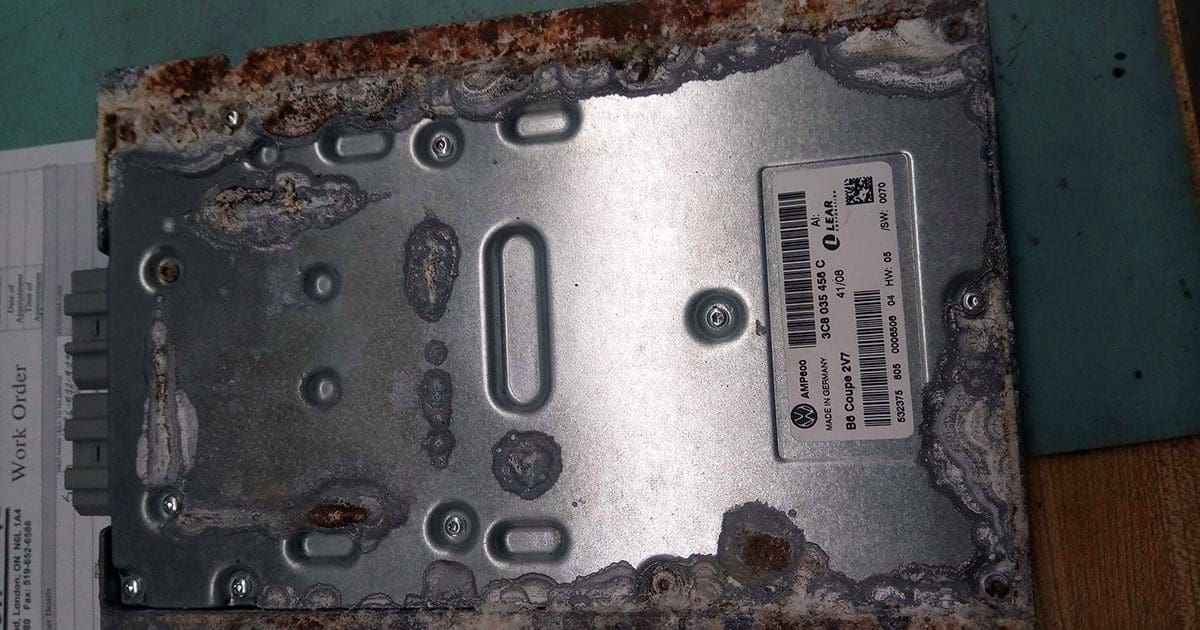
Heat and moisture are the two biggest enemies of vehicle electronics.
Heat Protection Tips
-
Avoid leaving your vehicle in direct sunlight for extended periods
-
Use windshield sunshades to reduce dashboard temperatures
-
Ensure ventilation paths behind dashboards remain unobstructed
Extreme heat accelerates solder failure, weakens circuit boards, and shortens the lifespan of displays and control modules.
Moisture Protection Tips
-
Never ignore water leaks inside the cabin
-
Avoid pressure washing near door seals and wiring areas
-
Address fogging or condensation behind screens immediately
Moisture causes corrosion, which leads to intermittent failures that are difficult and expensive to diagnose later.
Proper Use Habits That Extend Electronic Lifespan
How you use your vehicle electronics matters more than most people realize.
Best Practices for Daily Use
-
Avoid maxing out volume levels consistently
-
Do not force touchscreen inputs or physical buttons
-
Allow systems to boot fully before operation
-
Avoid unplugging or modifying electronics while powered
Electronics degrade faster when constantly pushed beyond their designed operating range.
Why Professional Installation Matters
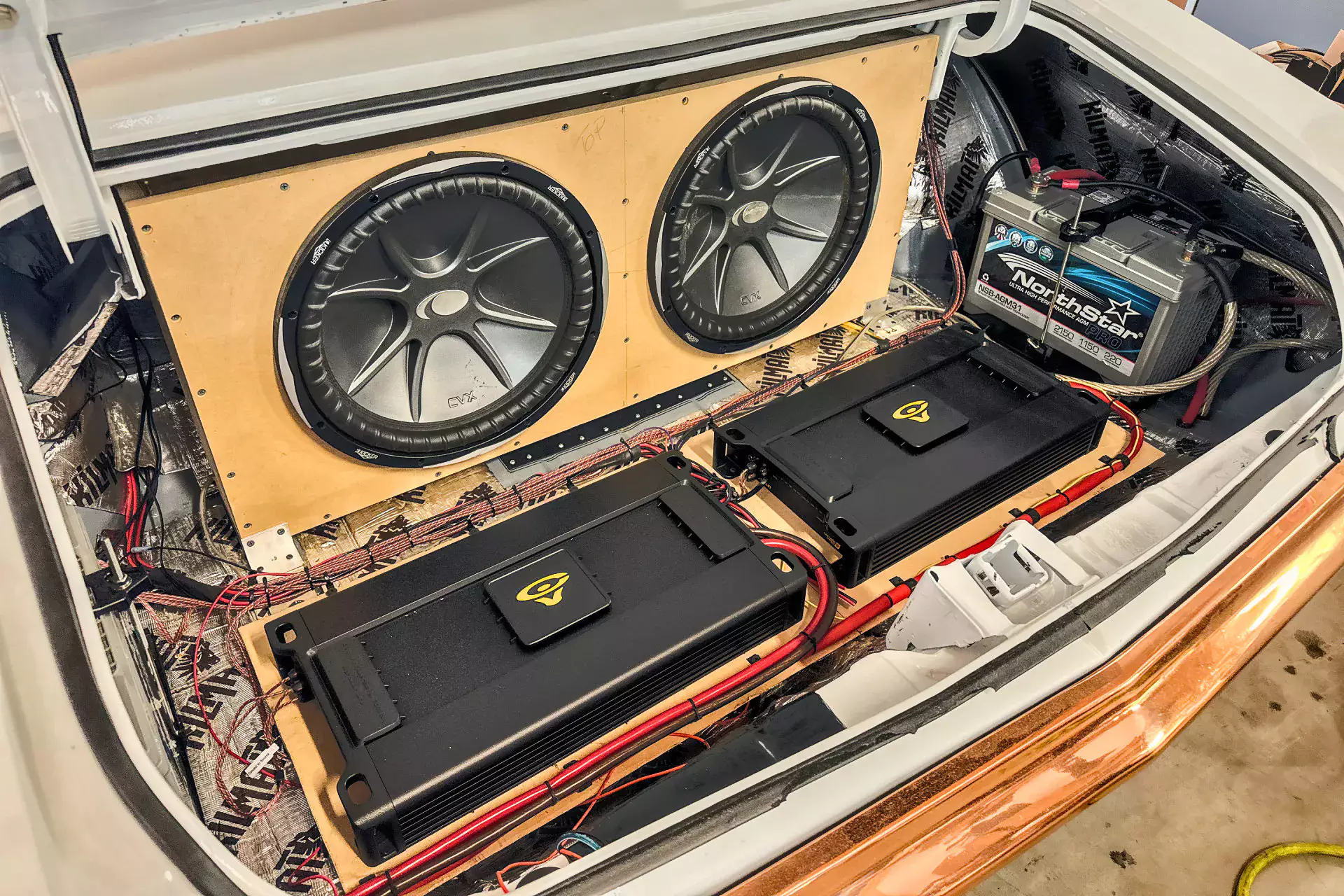
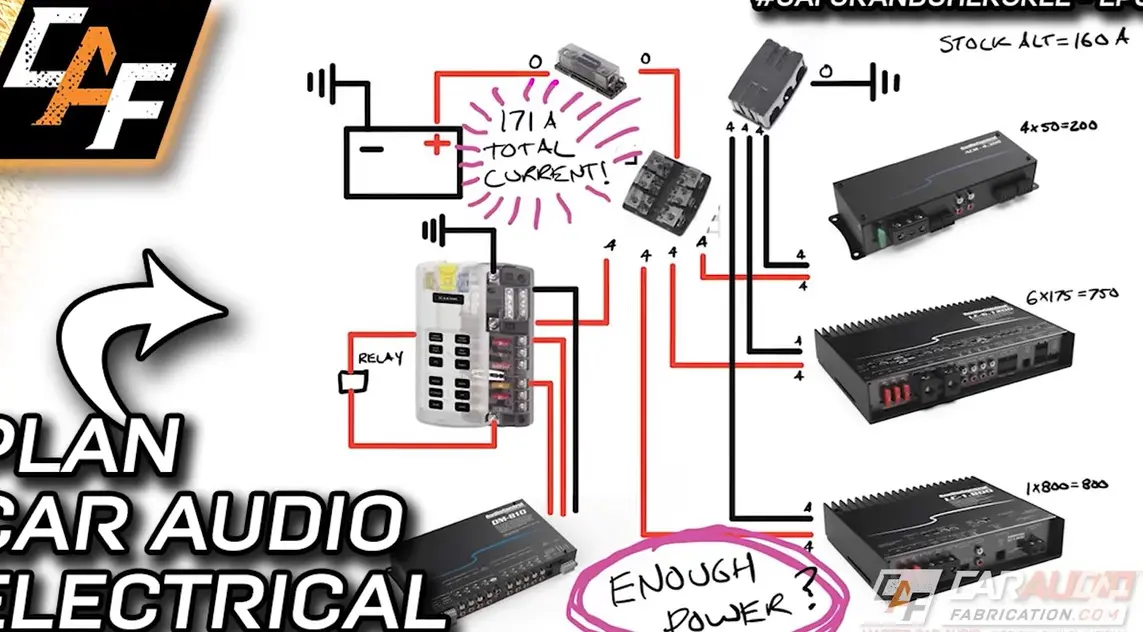

One of the most overlooked factors in long-term electronics reliability is installation quality.
Risks of Poor Installation
-
Loose or undersized wiring
-
Improper grounding
-
Overloaded circuits
-
Inadequate fuse protection
These issues may not cause immediate failure—but they significantly reduce system lifespan and increase the risk of electrical damage.
Professional installation ensures:
-
Correct power management
-
Secure mounting
-
Factory-system protection
-
Clean signal flow
This is especially critical for infotainment systems, audio upgrades, safety electronics, and control modules.
Routine Checks That Prevent Long-Term Damage
Preventative care is the most cost-effective way to protect vehicle electronics.
What to Check Regularly
-
Flickering screens or intermittent power loss
-
Crackling or distortion in audio systems
-
Warning lights related to sensors or modules
-
Slow or unresponsive infotainment systems
Early diagnosis often prevents full system replacement.
When to Repair vs Replace Vehicle Electronics
Not every electronic issue requires replacement. Knowing when to repair—and when to upgrade—can save thousands over the life of a vehicle.
Repair Makes Sense When:
-
The issue is wiring-related
-
Software updates resolve performance problems
-
The component is still supported by the manufacturer
Replacement Is Smarter When:
-
Parts are obsolete or discontinued
-
Repeated failures occur
-
The system lacks modern safety or compatibility features
Upgrading older electronics can also improve reliability, efficiency, and daily usability.
Long-Term Care Tips Most Vehicle Owners Ignore
Many electronics fail prematurely due to small, preventable mistakes.
Often Ignored but Critical Tips
-
Never ignore battery or alternator issues
-
Avoid jump-starting vehicles incorrectly
-
Keep firmware and system software updated
-
Use quality components—not the cheapest option
Vehicle electronics are interconnected. One failure often triggers others if left unresolved.
Final Thoughts: Long-Term Care Saves Money
Caring for vehicle electronics long-term is not about avoiding upgrades—it’s about making smart, informed decisions that protect your investment.
With proper usage habits, professional installation, and early problem detection, modern vehicle electronics can last for many years without major issues.